
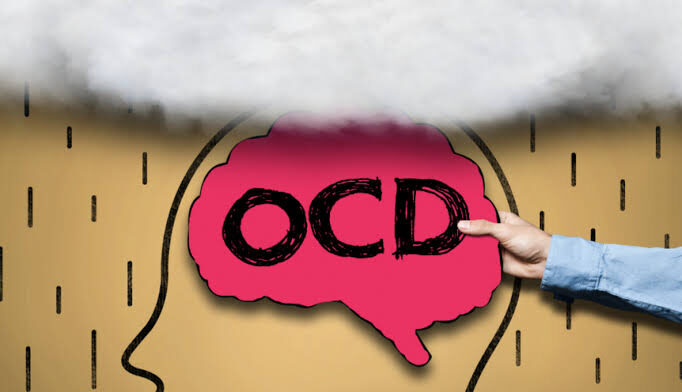
Most people think OCD means being a little extra tidy or double-checking the stove once too often. That idea couldn’t be further from the truth, and it’s part of why so many people quietly suffer for years before getting help. At BeWell Psychology, we see this misunderstanding often, and it’s exactly why we want to set the record straight.
Obsessive-Compulsive Disorder is a serious, often exhausting mental health condition that can hijack a person’s thoughts, time, and daily routines. The good news? With the right OCD therapy in Calgary, recovery isn’t just possible, it’s expected.
In this article, we’ll clear up the myths, break down the real symptoms, and walk through the treatment approaches that actually work, so you know exactly what to look for and where to turn.
What Is OCD, Really?
OCD stands for Obsessive-Compulsive Disorder, and it has two core components that work together in a frustrating loop:
- Obsessions: unwanted, intrusive thoughts, images, or urges that show up uninvited and cause intense anxiety or distress.
- Compulsions: repetitive behaviours or mental rituals a person feels driven to perform to reduce that anxiety or prevent something bad from happening.
Here’s the catch: compulsions offer relief for a few minutes, maybe an hour. Then the obsession comes back, often louder than before. This cycle can consume hours of a person’s day and quietly erode their confidence, relationships, and sense of control.
OCD affects roughly 1 in 40 adults at some point in their lives, making it far more common than most people assume. Yet it remains one of the most misunderstood conditions in mental health.
Common Myths About OCD (And the Truth Behind Them)
Before we talk about treatment, it’s worth clearing up a few misconceptions that keep people from seeking help.
Myth 1: OCD just means being clean or organized.
Being particular about tidiness isn’t OCD. Clinical OCD involves genuine distress, time-consuming rituals, and a real inability to function normally without them. Many people with OCD aren’t tidy at all; some obsessions have nothing to do with cleanliness.
Myth 2: People with OCD can just stop if they try hard enough.
Willpower isn’t the issue. OCD is rooted in how the brain processes uncertainty and threat. Telling someone to just stop is like telling someone with a broken leg to walk it off.
Myth 3: OCD is always about washing hands or checking locks.
Those are common presentations, but OCD shows up in many forms, including:
- Intrusive thoughts about harming others (with no intention or desire to act on them)
- Religious or moral scrupulosity
- Relationship doubts and reassurance-seeking
- Symmetry, order, and just right urges
- Fear of contamination without visible cleaning rituals
Myth 4: Therapy for OCD is basically just talking about your feelings.
Effective OCD treatment is highly structured and goal-focused. It’s not a vague conversation; it’s a specific, evidence-based process that we’ll get into shortly.
Recognizing the Symptoms of OCD

OCD symptoms vary widely from person to person, but a few patterns tend to show up consistently.
Emotional and cognitive signs:
- Persistent, unwanted thoughts that feel impossible to shake
- Intense anxiety or disgust triggered by specific thoughts or situations
- A strong need for certainty or control
- Guilt or shame about the content of intrusive thoughts
Behavioural signs:
- Repeated checking (locks, appliances, messages)
- Excessive washing or cleaning
- Mental rituals like counting, repeating phrases, or reviewing memories
- Seeking constant reassurance from others
- Avoiding people, places, or situations that trigger obsessions
If these patterns are taking up more than an hour a day, or interfering with work, school, or relationships, it’s a strong signal that professional support is worth exploring.
Why Early, Specialized Treatment Matters
OCD rarely improves on its own. Left untreated, the cycle tends to expand, one ritual often leads to another, and avoidance behaviours quietly shrink a person’s world.
Working with an OCD specialist therapist near me matters because generalized talk therapy, while helpful for many issues, often isn’t enough for OCD on its own. OCD responds best to specific, research-backed approaches delivered by clinicians trained in treating it.
This is exactly where Be Well Psychology comes in. Our team understands the nuances of OCD and uses proven methods to help clients build real, lasting relief, not just temporary coping.
The Most Effective Treatment: ERP Therapy for OCD
If there’s one gold-standard approach worth knowing about, it’s ERP therapy for OCD: Exposure and Response Prevention.
Here’s how it works, in plain language:
- Exposure: You gradually and intentionally face the thoughts, images, objects, or situations that trigger your obsessions, in a safe, guided way.
- Response Prevention: Instead of performing the usual compulsion, you resist it, with support, and let the anxiety rise and naturally fall on its own.
Over time, this retrains the brain to understand that the anxiety will subside without the ritual, breaking the obsession-compulsion cycle at its root.
Why ERP works so well:
- It directly targets the mechanism that keeps OCD alive: avoidance and ritual.
- It’s supported by decades of clinical research as the most effective treatment for OCD.
- Progress is measurable; sessions build on each other with a clear plan.
- It teaches skills clients can keep using long after therapy ends.
ERP isn’t about being thrown into the deep end. A skilled OCD counsellor in Calgary paces exposures carefully, starting small and building gradually, so the process feels challenging but manageable.
Other Approaches That Support OCD Recovery
While ERP is the core treatment, therapists often combine it with:
- Cognitive Behavioural Therapy (CBT): Helps identify and reframe the distorted thinking patterns that fuel obsessions.
- Acceptance and Commitment Therapy (ACT): Builds tolerance for uncertainty and discomfort without needing to eliminate it.
- Mindfulness-based strategies: Teach clients to observe intrusive thoughts without immediately reacting to them.
Together, these approaches address both the behavioural patterns and the underlying anxiety driving them.
Practical Tips If You Think You Might Have OCD
You don’t need a diagnosis to start taking helpful steps. Here are a few things you can try right now:
- Name the pattern. Simply recognizing this is an obsession or this is a compulsion creates a small but important gap between you and the urge.
- Delay the ritual, even briefly. Try waiting five minutes before responding to a compulsion. It won’t eliminate the urge, but it builds tolerance over time.
- Avoid reassurance-seeking loops. Asking friends or family to confirm everything’s fine often feeds the cycle rather than resolving it.
- Track your triggers. A simple notes app log of when obsessions spike can reveal patterns worth bringing to a therapist.
- Reach out sooner rather than later. OCD symptoms tend to be more responsive to treatment before rituals become deeply ingrained habits.
Key takeaway: Small, consistent steps toward resisting compulsions matter more than dramatic, one-time efforts.
Finding the Best OCD Therapist in Calgary
When you’re searching for the best OCD therapist in Calgary, look for a few specific things:
- Training and experience specifically in ERP and OCD treatment (not just general anxiety therapy)
- A clear, structured treatment plan you can understand from the start
- A collaborative approach; you should feel like a partner in the process, not a passive participant
- Willingness to explain the why behind each exposure exercise
- A track record of treating compulsive behaviour and intrusive thought patterns specifically
Our clinicians bring exactly this kind of specialized, compassionate approach to every client we work with.
Final Thoughts

OCD can feel isolating, especially when the thoughts driving it feel embarrassing or hard to explain. But it’s important to remember this condition is treatable, and you don’t have to figure it out alone.
Effective, evidence-based OCD therapy in Calgary can help you break free from the exhausting obsession-compulsion cycle and get back to living life on your terms.
If you’re ready to take that first step, the team at Be Well Psychology is here to help you find real, lasting relief through personalized, compassionate care.
Frequently Asked Questions
How do I know if I have OCD or if I’m just an anxious person?
OCD involves a specific obsession-compulsion cycle that causes significant distress and consumes real time, typically more than an hour a day. General anxiety doesn’t usually follow this same repetitive ritual pattern. A proper assessment with a qualified therapist gives you clarity.
Is ERP therapy uncomfortable?
It can feel challenging at first, since it involves facing feared thoughts or situations. However, a trained therapist paces the process carefully, so it never feels overwhelming, and most clients report the discomfort eases faster than expected.
How long does OCD treatment usually take?
Many clients notice meaningful improvement within 12 to 20 sessions of ERP-focused therapy, though timelines vary based on symptom severity and consistency of practice between sessions.
Can OCD come back after successful treatment?
Symptoms can resurface during high-stress periods, but the skills learned in therapy give clients tools to manage flare-ups quickly, often without needing to restart treatment from scratch.
Do I need a referral to see an OCD therapist in Calgary?
No referral is typically required to book an appointment with a registered psychologist. You can reach out directly to schedule a consultation and start the assessment process.