
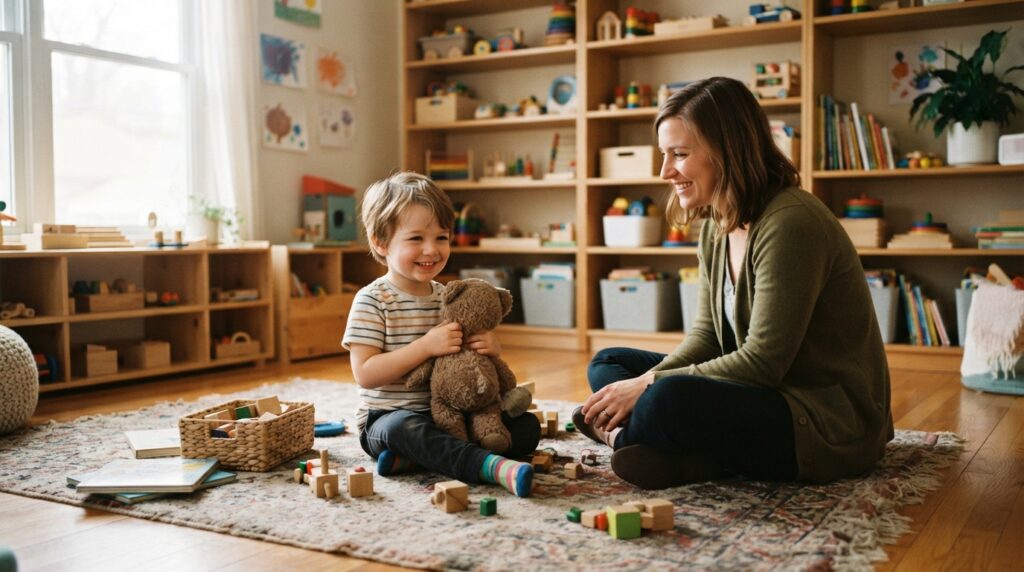
Children rarely say I’m anxious or I feel scared. Instead, they act it out through a puppet show, a pretend tea party, or a tower of blocks that keeps falling. That’s exactly why play therapy Calgary families trust has become one of the most effective ways to help kids work through big feelings they can’t yet put into words.
At BeWell Psychology, our therapists specialize in helping children navigate exactly these moments using play as a bridge to emotions kids don’t yet have the words for. If your child has been more withdrawn, anxious, or prone to outbursts lately, you’re not alone in wondering how to help. Play-based therapy offers a gentle, evidence-backed path forward one that meets children exactly where they are: at play.
In this article, we’ll break down how play-based therapy for kids works, the techniques therapists use, and how to know if it’s the right fit for your family.
What Is Play-Based Therapy?
Play-based therapy is a structured, professionally guided approach that uses play as the primary language of communication between a child and a therapist. Rather than asking a child to sit and talk about their feelings, something even many adults struggle with, a trained play therapist creates a safe space where children can express themselves through toys, art, storytelling, and imaginative play.
This isn’t the same as free playtime at home. Every session is intentional. A registered play therapist observes patterns, introduces gentle prompts, and helps children build the emotional vocabulary and coping tools they need, all while the child simply thinks they’re playing.
Why Play Works Better Than Talk for Young Children
Children’s brains process experiences differently than adults’ brains do. Verbal reasoning skills are still developing, but imaginative and symbolic thinking are already strong. That mismatch is exactly why traditional talk therapy often falls flat with younger kids.
Play bridges that gap. A child who can’t explain why they’re scared of the dark might act it out through a story about a brave knight facing a dragon at night. The metaphor gives them distance from the fear, and distance makes it safer to explore.
Who Benefits From Play Therapy?
Play-based therapy supports children facing a wide range of challenges, including:
- Anxiety, worry, or excessive fear
- Difficulty adjusting to major life changes (divorce, a new sibling, a move)
- Grief and loss
- Behavioral concerns at home or school
- Trauma or a frightening experience
- Social difficulties or trouble making friends
- Emotional regulation struggles, including frequent meltdowns
Most children between ages 3 and 12 respond well to this approach, though techniques are adapted for developmental stage. A four-year-old’s session looks very different from a ten-year-old’s, but the underlying goal stays the same: helping the child feel understood and equipped.
Therapeutic Play Techniques Therapists Actually Use
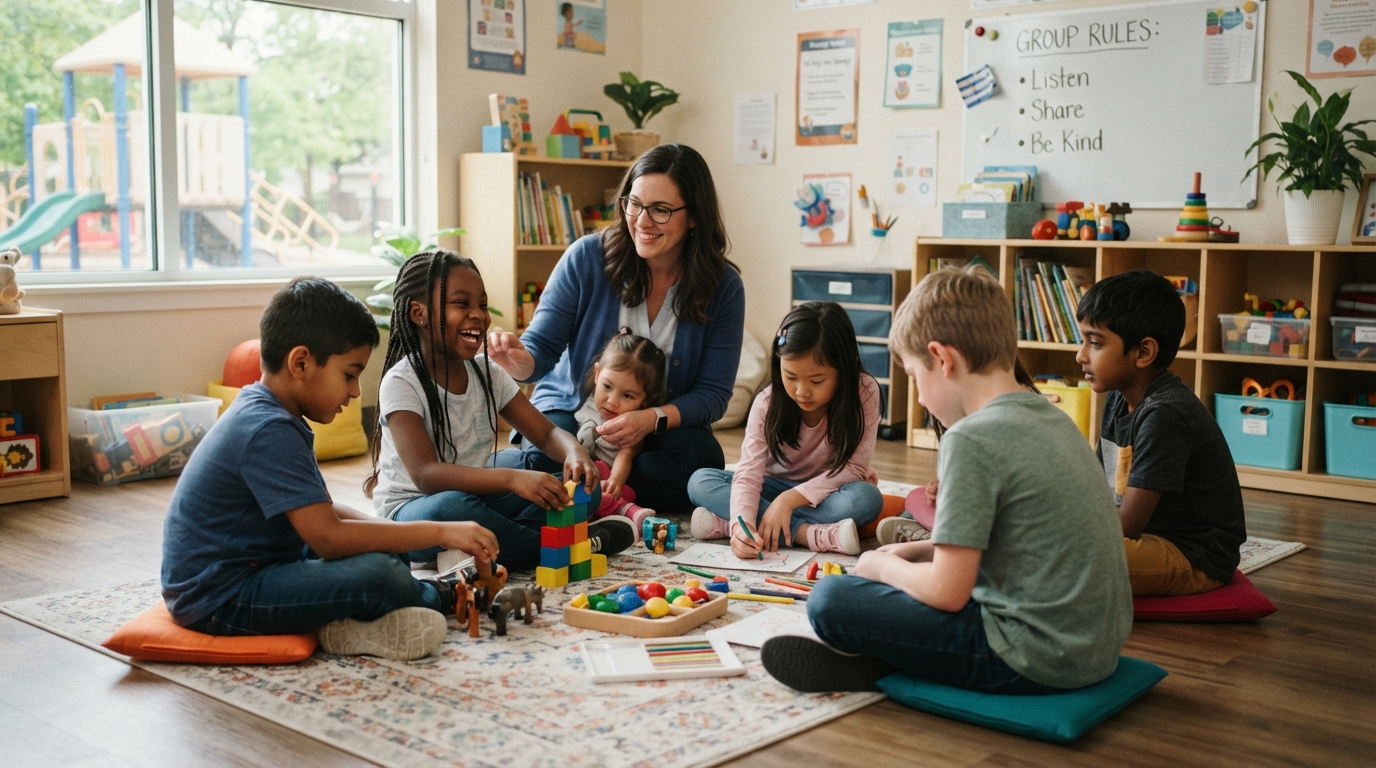
Not all play is created equal in a clinical setting. Here are some of the core therapeutic play techniques a trained therapist may use, depending on your child’s age and needs.
1. Sand Tray Therapy
Children build small worlds in a tray of sand using miniature figures. The scenes they create who’s included, who’s left out, what’s buried often reveal emotions they haven’t verbalized.
2. Puppet and Doll Play
Puppets let children speak through a character, which lowers the pressure of speaking directly about themselves. A shy child might tell a puppet things they’d never say to an adult face-to-face.
3. Art-Based Expression
Drawing, painting, and collage give children a nonverbal outlet. A therapist might ask a child to draw how worry feels rather than describe it out loud.
4. Storytelling and Narrative Play
Making up stories together helps children process fears in a symbolic, less threatening way, while also practicing problem-solving within the story.
5. Structured Games
Simple board or card games teach turn-taking, frustration tolerance, and impulse control skills that generalize directly to the classroom and home.
Quick takeaway: The specific toy or activity matters less than the relationship and structure around it. A skilled therapist chooses techniques based on what will help this child open up.
The Real Benefits of Play Therapy
Parents often ask what actual change looks like. Here are the most common play therapy benefits reported by families and supported by clinical research:
- Improved emotional vocabulary: kids learn to name feelings instead of acting them out
- Reduced anxiety and stress symptoms; many children show calmer behavior within several weeks
- Better behavior at home and school; fewer meltdowns and improved listening
- Stronger coping skills: tools kids can use long after therapy ends
- Increased self-esteem; children feel heard and capable, not broken
- Healthier family communication; parents often learn strategies alongside their child
Research consistently supports play therapy as an effective intervention for children experiencing anxiety, behavioral concerns, and adjustment difficulties, with many studies showing measurable improvement within 12 to 20 sessions.
What Child Counselling Through Play Actually Looks Like
If you’re picturing a chaotic playroom with no structure, that’s not quite it. A typical session usually includes:
- A warm welcome and check-in, often through a simple ritual the child comes to recognize
- Free or guided play, chosen based on the day’s therapeutic goal
- Gentle reflection, where the therapist names emotions they observe (That knight looks really frustrated)
- A wind-down routine, helping the child transition calmly back to the waiting room
Sessions typically run 45 to 50 minutes and happen weekly, especially in the early stages. Parents are usually included in periodic check-ins so progress at home and in therapy stay connected.
How Long Does It Take to See Results?
Every child is different, but many families notice small shifts: calmer bedtimes, fewer tantrums, more open communication within the first four to six sessions. Bigger, lasting change for issues like trauma or grief often takes longer, and that’s completely normal. Healing isn’t linear, and a good therapist will keep you updated on progress along the way.
Practical Tips for Parents Supporting a Child in Therapy
You play a bigger role in your child’s progress than you might think. Try these strategies alongside professional support:
- Avoid interrogating your child after sessions. Instead of What did you talk about? try Did you have fun today?
- Keep routines consistent. Predictability helps children feel safe enough to process hard emotions.
- Name your own feelings out loud. Modeling I feel frustrated, so I’m taking a breath teaches by example.
- Read books about emotions together. This reinforces vocabulary your child is building in sessions.
- Be patient with regression. Some children act out more before they improve; this is often a sign they’re processing, not failing.
- Communicate with the therapist. Share what you’re noticing at home; it helps shape the next session.
Choosing the Right Play Therapist Near Me
Not every children’s counsellor specializes in play-based methods, so it’s worth asking a few key questions before booking:
- Are they a registered psychologist or provisional psychologist with play therapy training?
- Do they specialize in your child’s specific concern (anxiety, trauma, behavior, grief)?
- What does a typical first session look like for a child your child’s age?
- How do they involve parents in the process?
- What’s their approach if your child is resistant at first?
A good fit matters more than credentials alone. Look for a therapist your child seems comfortable with after the first meeting or two; comfort is often the strongest predictor of progress.
Final Thoughts
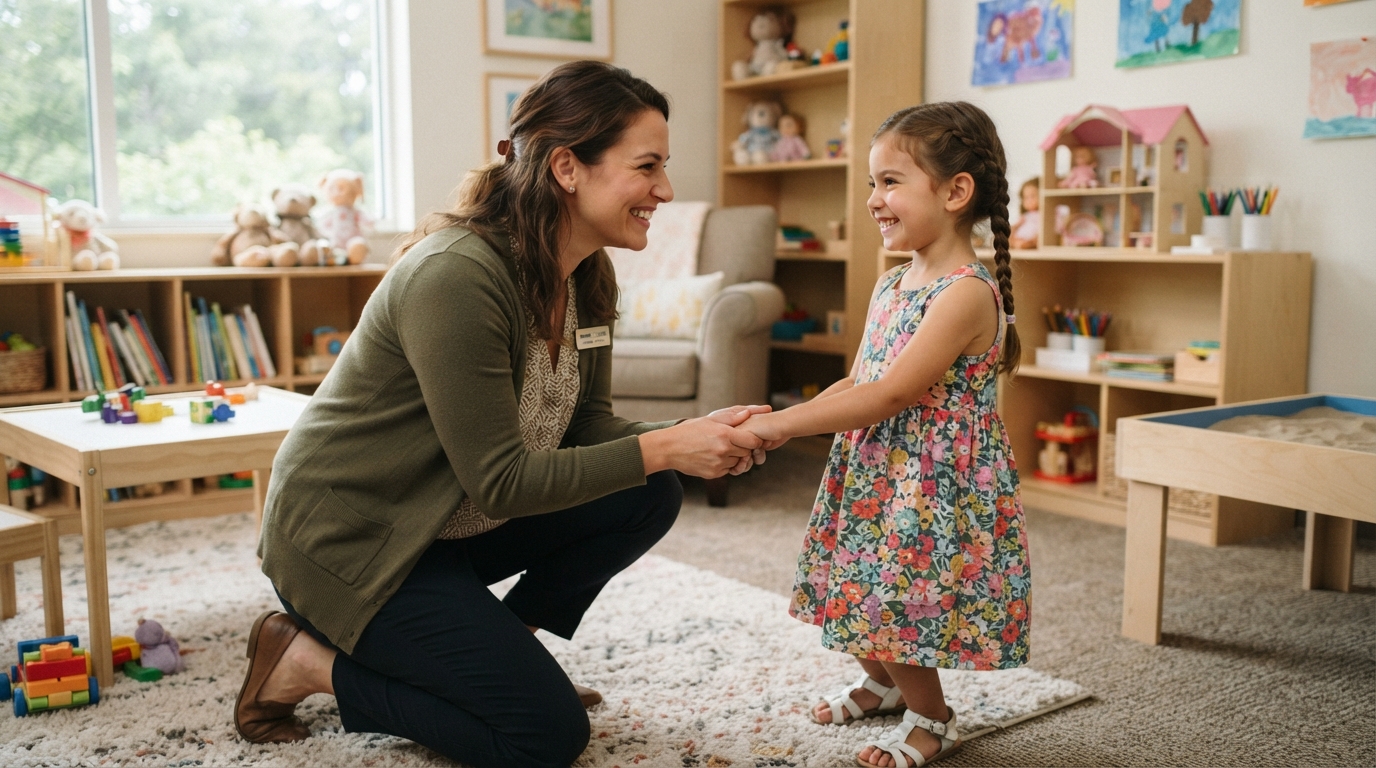
Every child deserves a safe space to process what they’re feeling, even when they don’t have the words for it yet. Play-based therapy offers exactly that: a natural, effective, and compassionate way for kids to heal, grow, and build lifelong coping skills.
If your child is struggling with big emotions, difficult transitions, or behaviors that worry you, don’t wait for things to get harder. A trusted play therapy Calgary provider at Be Well Psychology can help your child find their voice, one session of play at a time.
Contact us today at Be Well Psychology to book a consultation and take the first step toward a calmer, more confident child.
Frequently Asked Questions
What age is play therapy appropriate for?
Play therapy typically works best for children ages 3 to 12, though techniques are adjusted based on developmental stage and individual needs.
Is play therapy only for children with serious trauma?
No. Play therapy helps with everyday challenges too, including anxiety, transitions, sibling conflict, and behavioral struggles, not just severe trauma.
Will I know what happens in my child’s sessions?
Therapists respect a child’s confidentiality but keep parents informed of general progress, themes, and strategies to use at home, while protecting the child’s trust.
How many sessions will my child need?
It varies widely. Some children show improvement in a handful of sessions, while more complex concerns may require several months of consistent support.
Can play therapy be combined with other approaches?
Yes. Many therapists blend play-based techniques with approaches like CBT or family therapy for a more comprehensive treatment plan.