
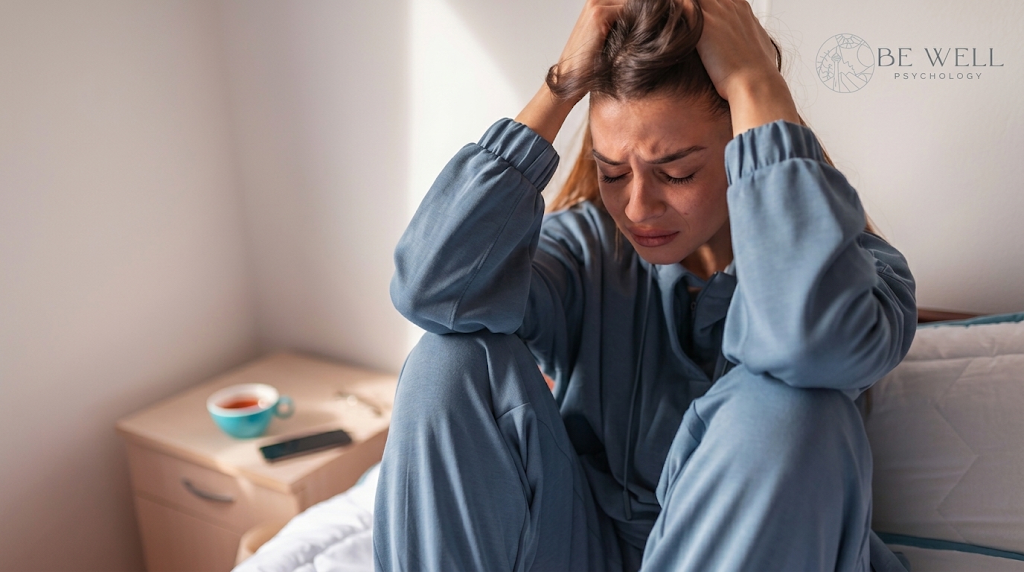
You lie awake replaying tomorrow’s to-do list. Your chest feels tight during a routine meeting. You smile through the day while feeling overwhelmed underneath. If this sounds familiar, you are not alone. Anxiety in women is common, and it often goes unnoticed because many women learn to keep going and keep quiet.
At BeWell Psychology, we support women who feel stretched between work, family, relationships, and their own expectations. Anxiety is not a personal failing. It is a real and treatable health condition, and understanding it is the first step toward relief.
This guide covers the causes, symptoms, hormonal links, daily stressors, coping strategies, and professional support options.
Understanding Anxiety in Women
Anxiety is the body’s natural response to perceived threat or pressure. It becomes a concern when worry is persistent, hard to control, and interferes with daily life. Research consistently shows that women are diagnosed with anxiety disorders more often than men, likely due to a combination of biological, social, and psychological factors.
Anxiety can take several forms, including generalized anxiety, social anxiety, panic disorder, and health-related anxiety. Many women live with it for years before seeking help, often assuming it is just stress or part of being busy.
Causes of Anxiety in Women in Calgary
There is rarely a single cause. The causes of anxiety in women Calgary professionals and families face often combine several factors:
Biology and genetics. Anxiety can run in families, and brain chemistry plays a role in how we respond to stress.
Hormonal fluctuations. Changes across the menstrual cycle, pregnancy, postpartum, and menopause can influence mood and anxiety levels.
Life experiences. Past trauma, loss, or difficult relationships can leave the nervous system more reactive to stress.
Social and cultural pressure. Expectations around caregiving, appearance, career success, and “doing it all” can create constant pressure.
Personality traits. Perfectionism, people-pleasing, and a strong inner critic can feed ongoing worry.
Environmental stress. Economic uncertainty, demanding workplaces, and long, dark winters can add to the load.
Anxiety Symptoms in Women in Calgary
Anxiety shows up in the mind, body, and behaviour. Common anxiety symptoms in women residents report include:
- Constant worry that is difficult to switch off
- Restlessness or feeling on edge
- Irritability over small things
- Racing heart, chest tightness, or shortness of breath
- Muscle tension, headaches, or stomach problems
- Sleep difficulties, including trouble falling or staying asleep
- Trouble concentrating or a mind that goes blank
- Avoidance of situations that trigger worry
- Panic attacks, which are sudden waves of intense fear with physical symptoms
Because women often juggle many roles, these signs are easy to dismiss. If they last for weeks or begin to affect your work, relationships, or health, it is worth paying attention.
Women’s Anxiety and Daily Stress in Calgary
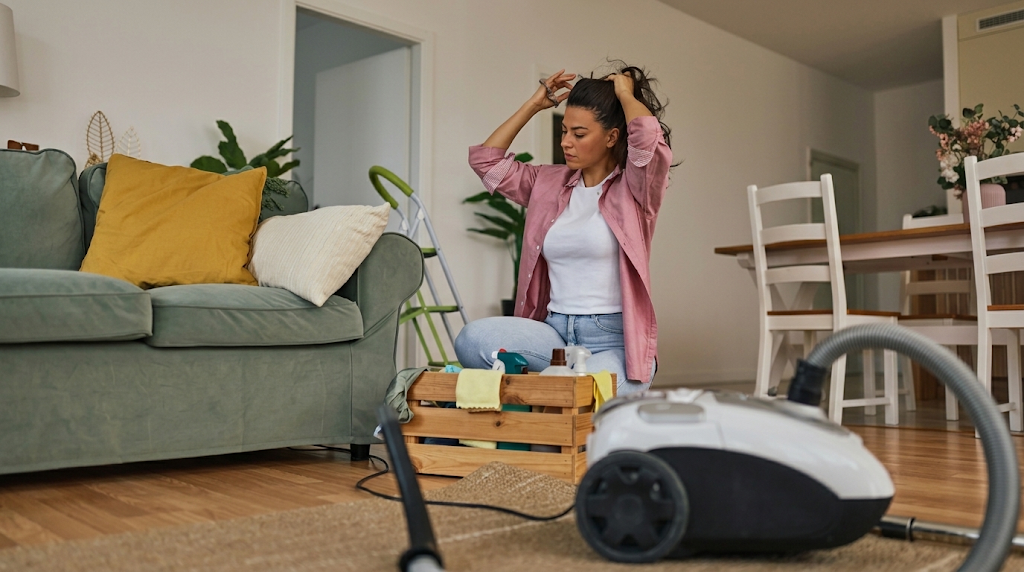
Everyday pressure can quietly build into ongoing anxiety. Women’s anxiety and daily stress Calgary counsellors hear about often involves:
- The mental load: tracking schedules, appointments, meals, and everyone’s needs
- Work-life balance: managing demanding jobs alongside family responsibilities
- Caregiving: supporting children, aging parents, or a partner
- Financial worries: budgeting and planning under uncertainty
- Self-comparison: measuring yourself against unrealistic standards, often fuelled by social media
- Little recovery time: rarely having space to rest or be alone
When stress never gets a chance to settle, the body stays in alert mode. Over time, this can develop into persistent anxiety, exhaustion, or burnout.
Anxiety and Hormonal Changes in Women in Calgary
Hormones influence mood, sleep, and the stress response. Anxiety and hormonal changes in women Calgary healthcare providers discuss include these life stages:
Menstrual cycle. Some women notice increased anxiety, irritability, or low mood in the days before their period. For some, this can be severe, as in premenstrual dysphoric disorder (PMDD).
Pregnancy and postpartum. Hormonal shifts, sleep loss, and new responsibilities can trigger worry, intrusive thoughts, or panic. Perinatal anxiety is common and treatable.
Perimenopause and menopause. Fluctuating estrogen and progesterone can affect sleep, mood, and anxiety, sometimes for the first time in a woman’s life.
Hormones are only one piece of the picture. If you notice anxiety that follows a pattern, tracking your symptoms and speaking with both your doctor and a mental health professional can provide useful clarity.
Managing Anxiety in Women in Calgary
If you are looking for ways of managing anxiety in women Calgary has support for, these strategies can help you start:
- Name what you are feeling. Labelling anxiety reduces its power and helps you respond rather than react.
- Slow your body down. Try slow breathing, grounding exercises, or progressive muscle relaxation.
- Challenge anxious thoughts. Ask whether a worry is realistic, and what you would say to a friend in the same situation.
- Set boundaries. Saying no, sharing responsibilities, and protecting rest time are acts of health, not selfishness.
- Move your body. Walks, yoga, or strength training can lower tension and improve sleep. Even a short stroll along the Bow River can help.
- Support sleep and nutrition. Keep consistent sleep routines, eat regularly, and limit caffeine and alcohol.
- Stay connected. Talk with trusted friends or family rather than carrying everything alone.
- Seek professional guidance. You do not need to wait until things feel unbearable.
Counselling for Anxiety in Women in Calgary
Professional support can make a meaningful difference. Counselling for anxiety in women Calgary providers offer often includes:
- Cognitive behavioural therapy (CBT): identifying and changing unhelpful thought and behaviour patterns
- Acceptance and commitment therapy (ACT): learning to act on your values even when anxiety is present
- Mindfulness-based strategies: building calm and present-moment awareness
- Trauma-informed therapy: addressing past experiences that fuel anxiety
- Stress and boundary skills: practical tools for daily life
Psychological treatment for social anxiety Calgary adults seek is also available for women who feel intense fear of being judged or avoid social and work situations. Approaches such as CBT and gradual exposure are highly effective, helping you rebuild confidence step by step.
Consider reaching out if anxiety has lasted several weeks, disrupts sleep or work, or leads you to avoid things you care about. If you are experiencing thoughts of self-harm, contact emergency services or call or text 988, Canada’s Suicide Crisis Helpline, right away.
Conclusion.


Anxiety in women is common, real, and treatable. It can be shaped by hormones, daily stress, life experiences, and the pressure to do it all. By recognizing the symptoms, understanding your triggers, practising coping strategies, and reaching out for professional support, you can feel calmer, stronger, and more in control.
If you are struggling in Calgary, you do not have to manage it alone. Asking for help is a sign of strength.
Contact us at BeWell Psychology today to book an appointment and take the first step toward feeling like yourself again.
Frequently Asked Questions
1. Why do women experience anxiety more often than men?
A mix of factors is likely involved, including hormonal changes, genetics, life experiences, and social pressures such as caregiving and the mental load. Women may also be more likely to seek help and receive a diagnosis.
2. Can hormonal changes cause anxiety in women?
Yes. Shifts during the menstrual cycle, pregnancy, postpartum, and menopause can influence mood and anxiety. A doctor and mental health professional can help identify patterns and treatment options.
3. What are common signs of anxiety in women?
Signs include constant worry, restlessness, irritability, muscle tension, sleep problems, trouble concentrating, a racing heart, and avoiding certain situations.
4. How can I manage anxiety in daily life?
Slow breathing, regular movement, good sleep habits, healthy boundaries, and talking with supportive people can all help. Counselling adds personalized tools when self-help is not enough.
5. When should I see a counsellor for anxiety?
Seek support if anxiety lasts several weeks, interferes with work, relationships, or sleep, or feels hard to control. Early help often leads to faster relief.