
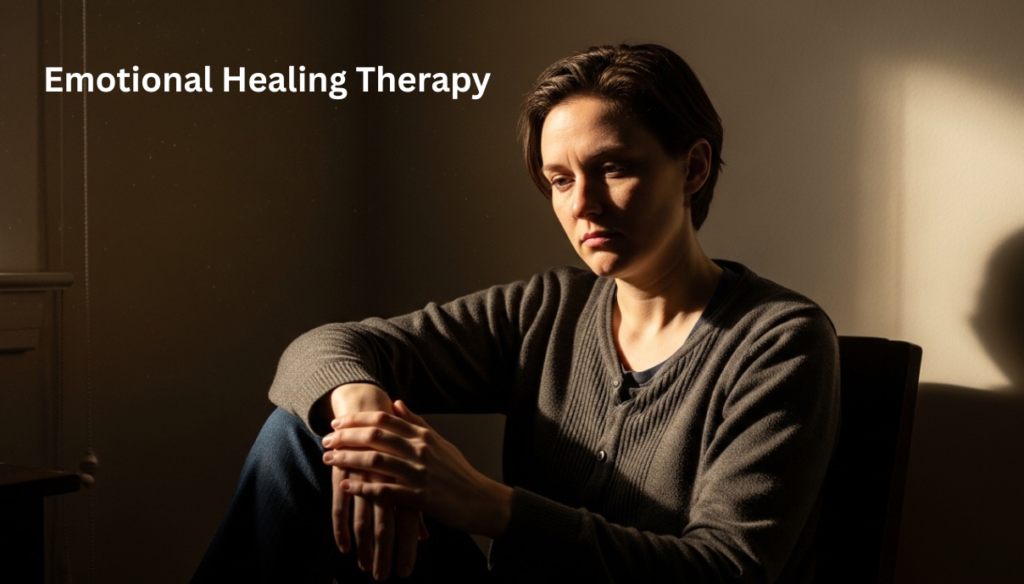
Many people assume that time alone heals emotional wounds. While time can soften certain memories, trauma doesn’t always fade quietly into the background. For some, it lingers in the body and mind showing up as anxiety, emotional numbness, sleep problems, or difficulty trusting others.
At Be Well Psychology, this is a common concern people bring into therapy. Trauma is not just about what happened it’s about how those experiences continue to affect daily life.
This is where trauma therapy becomes essential. Rather than simply talking things out, trauma-focused approaches are designed to help individuals safely process distressing experiences, rebuild a sense of control, and move forward without being constantly pulled back by the past.
Whether someone is dealing with recent distress or long-standing experiences, understanding how ptsd counseling, emotional healing therapy, and trauma recovery support work can make the path forward feel clearer and more manageable.
What Is Trauma Therapy, Really?
Trauma therapy is a specialized form of mental health care that focuses on how overwhelming experiences affect the brain, body, and behavior. It goes beyond general counseling by addressing the nervous system’s response to stress and fear.
Trauma isn’t defined only by what happened, it’s also about how the experience was processed. Two people can go through similar events and respond very differently. This is why therapy is not one-size-fits-all.
How Trauma Shows Up
Trauma can affect people in subtle or obvious ways, including:
- Persistent anxiety or hypervigilance
- Emotional numbness or detachment
- Difficulty concentrating or sleeping
- Irritability or mood swings
- Avoidance of certain places or situations
For some individuals, these symptoms develop into post-traumatic stress disorder (PTSD), which often requires structured ptsd counseling for effective recovery.
Understanding PTSD and Its Impact
PTSD is often associated with extreme events, but it can develop from a wide range of experiences: accidents, loss, abuse, or ongoing stress. It’s not simply about remembering something difficult; it’s about reliving it in a way that feels immediate and overwhelming.
Common Signs of PTSD
- Flashbacks or intrusive memories
- Nightmares or sleep disturbances
- Emotional reactivity or sudden distress
- Avoidance of reminders
- Feeling constantly “on edge”
One important insight from both clinical research and shared experiences in support communities is that PTSD isn’t always loud or visible. Many people appear functional on the surface while struggling internally.
That’s why trauma recovery support often includes both structured therapy and gradual lifestyle adjustments.
Emotional Healing Therapy: More Than Just Talking
A common misconception is that therapy is simply about discussing past experiences. In reality, emotional healing therapy focuses on how those experiences are stored in the body and how they continue to influence present behavior.
How Healing Actually Happens
Healing from trauma typically involves:
- Creating a sense of safety
- Processing difficult memories at a manageable pace
- Rebuilding emotional regulation
- Developing healthier thought patterns
Therapists often use evidence-based approaches such as:
- Cognitive Behavioral Therapy (CBT)
- Eye Movement Desensitization and Reprocessing (EMDR)
- Somatic (body-focused) therapies
Each approach works differently, but the goal is the same: to reduce the emotional intensity of past experiences and restore a sense of stability.
The Role of Trauma Recovery Support

Recovery doesn’t happen in isolation. While therapy provides structure, broader trauma recovery support plays a critical role in long-term healing.
What Support Can Look Like
- Consistent therapeutic sessions
- Safe relationships with trusted individuals
- Healthy routines (sleep, nutrition, movement)
- Gradual exposure to avoided situations
Many people underestimate how much environment and daily habits influence recovery. Therapy is powerful, but it works best when combined with supportive surroundings.
Childhood Trauma Treatment: Why Early Experiences Matter
Not all trauma comes from a single event. In many cases, it develops over time especially during childhood. Early experiences shape how individuals understand safety, trust, and relationships.
Long-Term Effects of Childhood Trauma
Without proper childhood trauma treatment, early distress can lead to:
- Difficulty forming secure relationships
- Low self-esteem or self-doubt
- Emotional regulation challenges
- Increased sensitivity to stress
However, it’s important to understand that these patterns are not permanent. With the right therapeutic approach, people can reprocess early experiences and build healthier emotional frameworks.
Why Treatment Requires Care
Working through childhood trauma often requires a slower, more structured process. Rushing it can feel overwhelming. Skilled therapists prioritize pacing and emotional safety, ensuring that individuals remain grounded while exploring difficult memories.
Common Misunderstandings About Trauma Therapy
Even though awareness around mental health has improved, there are still misconceptions that can prevent people from seeking help.
I Should Be Able to Handle This on My Own
This belief often leads to prolonged distress. Trauma affects the brain and nervous system in ways that aren’t easily managed through willpower alone.
Talking About It Will Make It Worse
In unstructured environments, that can happen. But in guided trauma therapy, therapists help regulate the pace and intensity, making the process safe and manageable.
If It Happened Years Ago, It Shouldn’t Matter
Time doesn’t erase unprocessed trauma. Many individuals only recognize its impact later in life, especially during stressful periods.
Practical Insights for Those Considering Therapy
Understanding what helps and what delays progress can make a significant difference.
Common Mistakes
- Avoiding therapy due to fear or stigma
- Expecting immediate results
- Comparing one’s healing process to others
- Stopping therapy too early
What People Often Overlook
- Healing is not linear
- Small progress is still progress
- Emotional discomfort can be part of growth
- Consistency matters more than intensity
How to Approach Therapy Effectively
- Choose a therapist experienced in trauma-focused care
- Be patient with the process
- Communicate openly about what feels helpful or overwhelming
- Focus on building trust over time
Expert Perspective: Why the Right Approach Matters
From a clinical standpoint, trauma requires careful and informed handling. General counseling techniques may not fully address the underlying patterns associated with trauma.
Experienced therapists understand:
- How the nervous system responds to stress
- When to explore memories and when to stabilize
- How to prevent re-traumatization during sessions
This is why specialized ptsd counseling and structured therapeutic approaches are often more effective than general support alone.
Moving Forward: What Healing Can Look Like
Healing doesn’t mean forgetting what happened. It means changing the relationship with those experiences.
Over time, many individuals notice:
- Reduced emotional intensity
- Improved relationships
- Greater sense of control
- Increased resilience
The goal of emotional healing therapy is not perfection, it’s stability, clarity, and the ability to live without being constantly overwhelmed by the past.
Conclusion

Trauma can shape how people think, feel, and interact with the world but it doesn’t have to define their future. With the right trauma therapy, structured trauma recovery support, and compassionate guidance, healing becomes not just possible, but sustainable.
If you’ve been carrying unresolved experiences, exploring professional support can be a meaningful next step. Understanding is often the beginning of change and from there, progress becomes possible.
If you’re ready to take that step, consider reaching out to Be Well Psychology to learn more about available therapy options or to connect with a professional who can guide you through the healing process.
FAQs
1: How long does trauma therapy take?
It varies. Some people see improvement within months, while others benefit from longer-term support depending on the depth of the trauma.
2: Is trauma therapy only for severe cases?
No. It can help with a wide range of experiences, from single events to ongoing stress or early-life challenges.
3: What’s the difference between regular therapy and PTSD counseling?
PTSD counseling uses structured, evidence-based methods specifically designed to address trauma-related symptoms.
4: Can childhood trauma really be treated in adulthood?
Yes. With proper therapy, individuals can process early experiences and develop healthier emotional patterns.
5: What if I feel worse before I feel better?
That can happen in some cases. A skilled therapist will help manage the pace to ensure the process remains safe and supportive.